
San Diego has a problem with bathrooms
San Diego is facing an $118 million structural budget deficit for the fiscal year 2026–2027. In an attempt to save $3 million, 38 public bathrooms across San Diego, from Downtown to Mission Bay, were closed. Following public backlash, 13 Mission Bay restrooms were reopened, yet the rest remained closed. Bathrooms provide crucial sanitation to those living on the streets and are a life dependency that, if removed, could force unhoused individuals to defecate and urinate in the open. Lets explore why bathrooms are so important, and what San Diego community members are doing to keep them open.
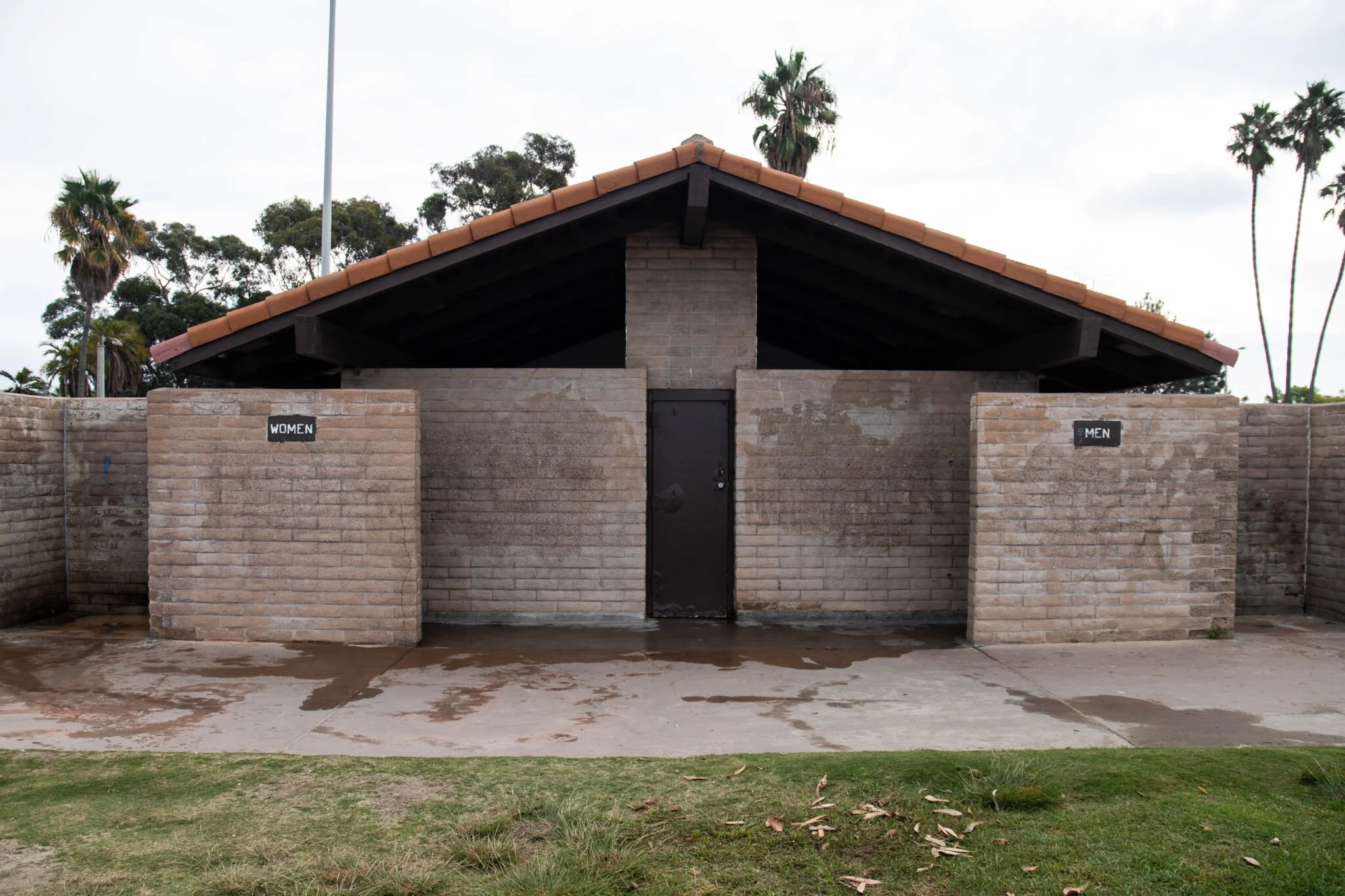
Photo by Adriana Heldiz, Voice of San Diego, https://voiceofsandiego.org/2026/08/13/san-diegos-public-restroom-problem-goes-far-beyond-our-beaches/
Why do we need public bathrooms
Having access to a bathroom is a human right. Everyone needs to pee, yet so many of us take for granted having a bathroom always available. For those who live by the side of a road or in a park, they rely on public bathrooms to do their business. Without these public bathrooms, individuals are forced to relieve themselves in public, which is illegal. With no other options, a lack of public bathrooms forces unhoused individuals to commit a crime just to perform a basic human necessity.
What can we do
San Diego State University is taking the lead when it comes to advocating for and protecting public bathrooms. Project Sanitation Justice is a research team composed of SDSU students, faculty, and community members who believe that “access to restrooms is a human right, a public health imperative, and a prerequisite to full participation in society.”
PSJ has built a custom ArcGIS map of every public bathroom in San Diego County, detailing the bathrooms’ hours, accessibility, and cleanliness. I had the chance to work with this amazing team and saw firsthand how valuable their map is to those experiencing homelessness. Just like us, the unhoused need to use the restroom too, and without a place to do so are forced to defecate in public. Maintaining public bathrooms is essential to provide a basic human need for our most vulnerable population while also keeping our public areas clean.